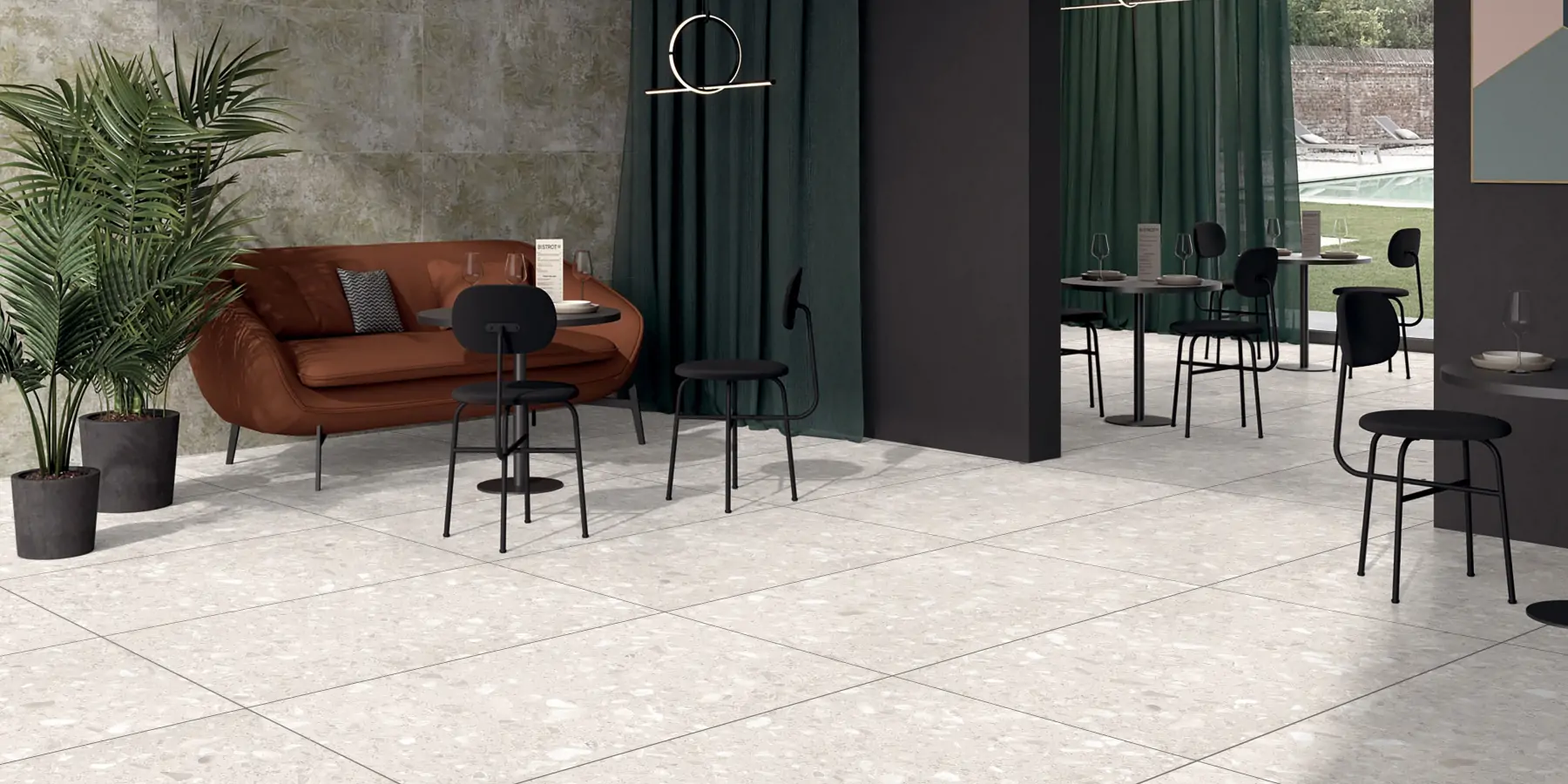


Tiles and underfloor heating work brilliantly together. Learn how to choose compatible products and plan the installation.
Tiles are one of the best floor finishes for underfloor heating: they conduct heat well, respond quickly, and stay cool in summer. With the right product and installation, you get comfort and efficiency for years.
Why tiles suit underfloor heating Tile and stone have high thermal mass and conduct heat effectively, so the system doesn't have to work as hard. The surface warms evenly, and there are no joints or gaps that can trap dust or affect heat distribution. Porcelain and ceramic are both suitable; the key is choosing tiles and adhesives rated for heated floors.
Tile and stone have high thermal mass and conduct heat effectively, so the system doesn't have to work as hard. The surface warms evenly, and there are no joints or gaps that can trap dust or affect heat distribution. Porcelain and ceramic are both suitable; the key is choosing tiles and adhesives rated for heated floors.
Choosing the right tiles Most modern porcelain and ceramic tiles are suitable for underfloor heating. Check the manufacturer's documentation for "heated floor" or "floor heating" approval. Avoid very thick or dense natural stone without confirmation—some need lower flow temperatures. Large-format tiles are popular and work well; ensure the adhesive is flexible and suitable for large formats and heated substrates.
Most modern porcelain and ceramic tiles are suitable for underfloor heating. Check the manufacturer's documentation for "heated floor" or "floor heating" approval. Avoid very thick or dense natural stone without confirmation—some need lower flow temperatures. Large-format tiles are popular and work well; ensure the adhesive is flexible and suitable for large formats and heated substrates.
Installation best practice The heating system should be commissioned and run according to the installer's schedule before tiling. Use a flexible, thin-bed adhesive suitable for underfloor heating and apply it evenly to avoid air pockets. Grout should also be flexible. After installation, follow the heating ramp-up protocol—usually a gradual increase over several days—to avoid thermal shock and adhesive failure.
The heating system should be commissioned and run according to the installer's schedule before tiling. Use a flexible, thin-bed adhesive suitable for underfloor heating and apply it evenly to avoid air pockets. Grout should also be flexible. After installation, follow the heating ramp-up protocol—usually a gradual increase over several days—to avoid thermal shock and adhesive failure.
Long-term performance Once installed correctly, tiled floors over underfloor heating are reliable and low-maintenance. You get a warm floor in winter and a cool one in summer, with no radiators or visible heating elements. Pair with a well-insulated substrate for best efficiency.
Once installed correctly, tiled floors over underfloor heating are reliable and low-maintenance. You get a warm floor in winter and a cool one in summer, with no radiators or visible heating elements. Pair with a well-insulated substrate for best efficiency.